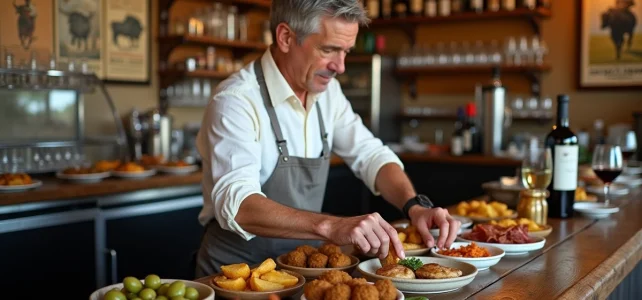
Dancharia (Dantxarinea in Basque) concentrates within a few hundred meters a density of ventas and restaurants that few border villages can claim. The historical model of the venta, this hybrid shop-restaurant born from customs proximity, now coexists with gastronomic establishments that have little in common with the simple low-price counter.
Txuleta, zikiro, and aged meats: the technical menu of Dancharia’s tables
The menu of a serious restaurant in Dancharia is first read through its meats. The txuleta of Rubia Gallega beef, dry-aged, remains the most reliable quality marker. An establishment that offers it with a choice of aging and breeds (Wagyu, Sashi, Angus) displays an ambition above the average of ventas.
The zikiro of Sasi Ardi sheep, slowly cooked over embers, belongs to a more pastoral register. This Navarre shepherd’s dish, rarely offered outside the southern Basque Country, distinguishes addresses that work with local sourcing from those that rely on imported meats.
We observe that the simultaneous presence of these two dishes on a menu signals an assumed gastronomic positioning, not simply a marketing argument. Conversely, a menu that multiplies generic references (hamburgers, pizzas, standard grills) without Basque anchoring deserves skepticism.
To delve deeper into the selection of restaurants in Dancharia, Spain, identifying the breeds of cattle and the cooking methods offered remains the most discriminating criterion.
Zaporeak in Dantxarinea: the premium model that redefines the venta
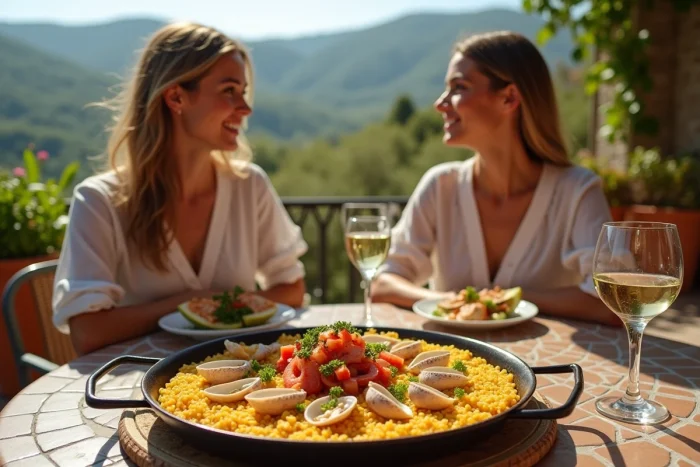
The Zaporeak complex represents the clearest break from the classic venta format. Over an area of 800 m², the establishment combines restaurant, bar, and gourmet shop. The customer selects their piece of meat directly, then has it prepared according to their preferences.
This “butcher-restaurant” format exists in other Spanish regions, but Zaporeak applies it with a selection of fine products that goes beyond just meat. Epicurean boards, artisanal preparations from the caterer, regional wines for takeaway: the economic model relies on the complementarity between on-site dining and product purchases.
For the discerning visitor, the interest of Zaporeak lies in this dual function. One can enjoy a complete meal, then leave with sourced products that won’t be found in traditional ventas focused on tobacco and alcohol.
Ventas, cider houses, and tapas bars: three dining formats in Dancharia
Confusing these three formats is akin to comparing a Parisian bistro with a Michelin-starred brasserie on the grounds that they both serve wine. Each format implies a different experience, budget, and level of cuisine.
- The traditional venta remains a hybrid shop-restaurant where the meal accompanies the purchase of duty-free products. The cuisine is often acceptable, rarely remarkable. The low-priced daily menu constitutes the standard offer.
- The cider house (sagardotegi) offers a codified meal centered around Basque cider: cod omelet, txuleta, sheep cheese, and walnuts. The format is convivial, the service communal, and the quality mainly depends on the meat.
- The tapas bar operates with pintxos placed on the counter or prepared to order. It is the most suitable format for tasting several specialties in one go, with a controlled budget.
We recommend not limiting a visit to Dancharia to a single format. Combining pintxos at lunch and a seated meal in the evening allows one to cover the gastronomic range of the village.
Gastro-tourist clientele in Dancharia: what has changed in recent years
The profile of visitors to Dancharia has transformed. In addition to the border customer coming to fill their trunk with cigarette cartridges and bottles, there is now a younger clientele, coming to sample several tapas bars and restaurants throughout the day. Basque tourist offices report this evolution, often within the framework of short stays combining Ainhoa and Urdax.
This shift in the audience has direct consequences on the offer. Establishments that attract this new clientele invest in the presentation of dishes, the staging of products, and communication on social media. The ventas that have not taken this turn remain confined to transient patronage, with margins relying on volume rather than quality.
Identifying a good meal in Dancharia: concrete criteria beyond price
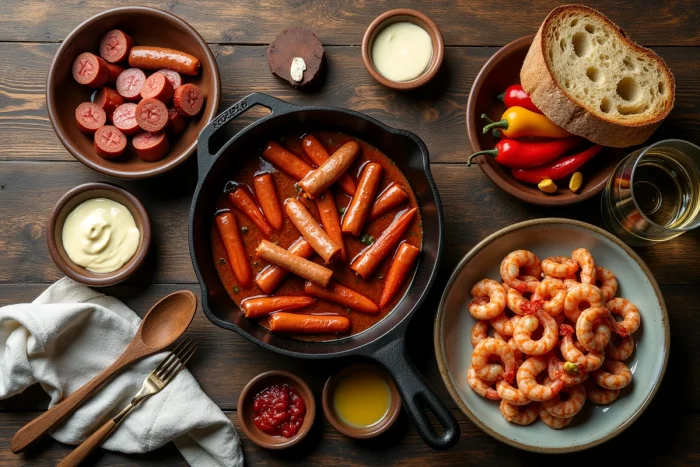
Low price is the primary selling point of Dancharia. However, a budget menu does not guarantee anything about the quality of the product. Here are reliable markers to distinguish a gastronomic address from a mere stopover:
- The traceability of the meats displayed (breed, origin, type of aging). A restaurant that does not communicate about its suppliers probably has nothing to show.
- The presence of seasonal products on the menu, a sign of regular sourcing from local producers rather than a wholesaler.
- The absence of a fixed menu imposed: the best tables offer a choice à la carte or daily specials, not a fixed menu identical all year round.
- Wine served by the glass with Navarre or Rioja Alavesa references, not just entry-level bottles.
A meal in Dancharia can remain very accessible while being remarkable, provided one chooses the establishment based on these criteria rather than solely on proximity to parking.
The upgrading of certain addresses does not erase the tradition of cheap ventas, which continues to operate for a different audience. The two models coexist over a few hundred meters, which precisely makes the originality of this Navarre border village.