
A DIY project fails one out of two times due to lack of preparation or anticipation of technical difficulties. However, most common mistakes stem from overlooked details, such as inappropriate material choices or forgetting certain key steps. Some proven tips remain largely unknown, even though they help avoid the majority of setbacks.
Success does not depend on the most expensive equipment or advanced skills, but on a methodical approach and a few essential principles. Knowing how to organize, anticipate unforeseen events, and apply suitable advice transforms every project into a tangible success.
Why DIY at home is more accessible than you think
Today, it is impossible to claim that DIY remains a specialist’s domain. Tools are becoming easier to use, practical advice circulates across all platforms, and video tutorials break down the last barriers. There’s no longer a need for a workshop worthy of a television show or a vocational diploma to tackle your first DIY projects. What matters is the willingness to learn, to organize a little, and to dare to get started.
Sharing platforms and specialized sites like Monsieur Bricoleur play a springboard role. You can find detailed explanations, step-by-step guides, and concrete feedback. Thanks to this mutual support, everyone can move forward, progress, and avoid classic pitfalls. The fear of being alone in front of a breakdown or doubt fades when a community responds, offers tips, and provides honest feedback.
On the equipment side, nothing is complicated. A hammer, a drill-screwdriver, a spirit level: the essentials fit in a small toolbox. Manufacturers, for their part, compete with ideas to make each tool more ergonomic, safer, and more versatile. You gain confidence, become more autonomous, and dare to go further.
But nothing replaces preparation. Before starting, you need to measure, anticipate material quantities, and plan cuts. Regardless of trends or innovations, common sense remains the best guarantee against unpleasant surprises. DIY at home is no longer reserved for an elite. It is part of everyday life, driven by sharing and collective experience.
What simple ideas can help you start your first projects without stress?
To start without pressure, it’s better to choose DIY ideas that are accessible to everyone, suited to the size of your home and your experience. Revamping a tired shelf, making a decorative board from reclaimed wood, or installing a curtain rod are perfect DIY projects for beginners. These first creations allow you to get familiar with basic tools: drill-screwdriver, spirit level, hammer, screwdriver. You quickly discover that in DIY, consistency is more important than virtuosity.
To limit obstacles, prioritize materials that are easy to handle: softwood, recycled boards, small accessories. Transforming an everyday object into a decorative element brings real satisfaction without requiring advanced techniques. The key is to be diligent: measure carefully, mark your points, check alignment at each stage.
Here are three habits that make a difference when starting out:
- Prepare a small plan, even a rough one, to visualize your home project.
- Gather materials and tools in advance to limit interruptions.
- Opt for modular creations: a removable shelf, a personalized plant pot.
Nothing replaces practice. Get into the habit of testing on scraps before making the final version. Progress is quickly measurable: each project boosts confidence and refines your technique. You discover that small victories, even modest ones, open the door to more ambitious creations.
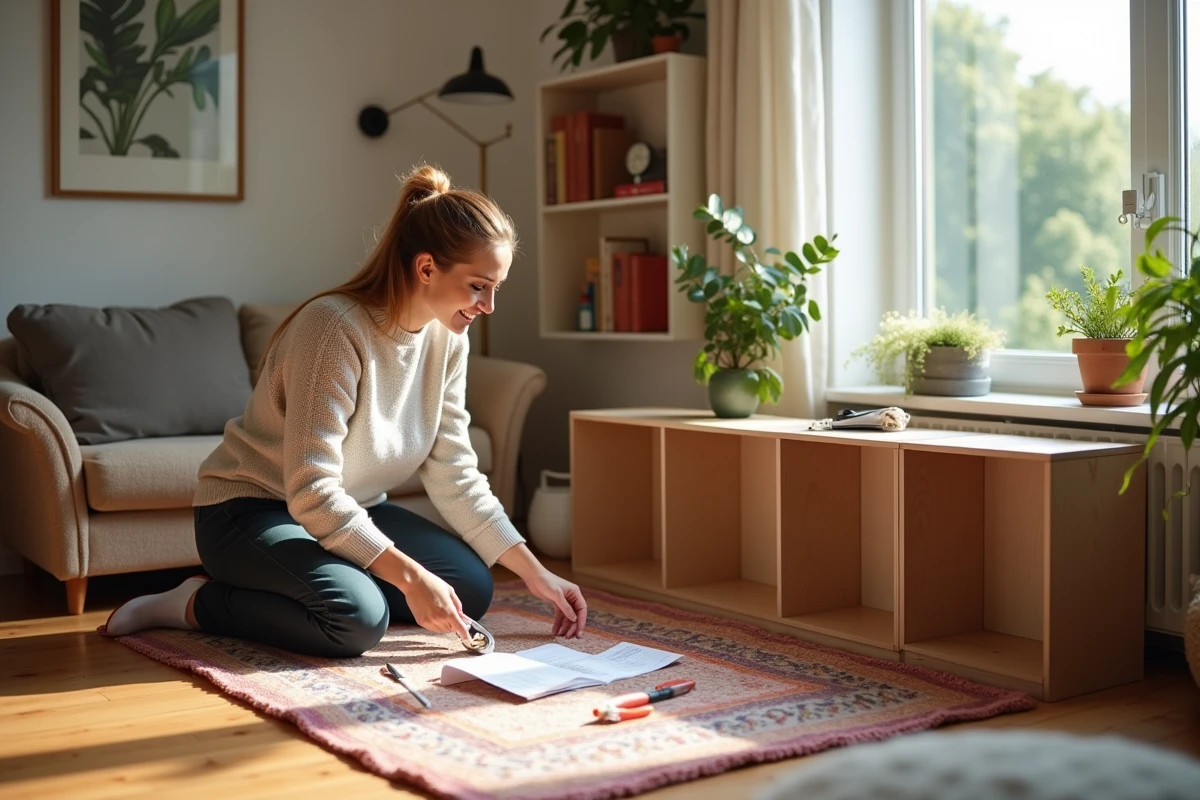
Practical tips and tricks to succeed at every stage, even as a beginner
A successful DIY project starts with serious preparation. Even a rough sketch on a corner of the table is enough to organize your ideas, anticipate steps, and avoid forgetfulness. Always allow a little margin: a missing element, a tool that slips, a material tougher than expected can happen to anyone.
Before you start, always check that the blade, drill bit, or accessory is suitable for the material you are working with. Whether you are installing a shelf or cutting wood, every detail counts. Safety is non-negotiable: protective glasses, gloves, and a clear workspace should become reflexes. Take the time to measure and check twice rather than having to fix a mistake. Precision avoids many disappointments.
Some simple habits will help you progress faster:
- Test basic techniques on scraps before moving on to the final piece.
- Trust well-documented tutorials to refine your method.
- Adapt your material choices to the room, usage, and your level.
Organizing your DIY corner also makes a difference. Store tools so they are within reach, limit trips back and forth, and prioritize a bright, clear space. Even a modest project, if prepared carefully, becomes a source of experience. Let’s forget the image of DIY reserved for the initiated: by paying real attention to each phase, anyone can master these gestures and turn an idea into a concrete achievement. The next project is just waiting for your initiative.