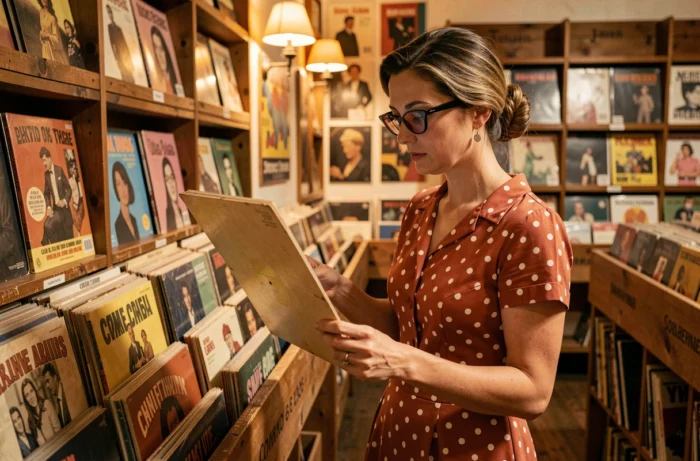
Retro culture refers to a set of practices that involve reusing, collecting, or bringing back to life objects, styles, and aesthetic codes from past decades. It is not to be confused with a simple taste for the old: it implies a sorting process, an active selection of what, from the past, retains visual or functional relevance today.
Vintage and retro: two terms not to be confused
The word vintage qualifies an object authentically made in a previous era, generally between the 1920s and the 1990s. An orange faux leather armchair produced in 1972 is vintage. The term retro refers to a new object whose design deliberately draws inspiration from a bygone era: a chrome toaster made this year in a 1950s style is retro, not vintage.
This distinction affects market value and purchasing behavior. A vintage item derives its worth from its authenticity, rarity, and condition. A retro item, on the other hand, appeals through its aesthetics and often more accessible price. Both coexist in contemporary retro culture, but confusing them is akin to mixing an original edition with a reissue.
Specialized platforms document these distinctions and keep up with the news of this universe on a daily basis. Enthusiasts who want to delve deeper into the subject can find analyses and selections of cult objects on retrorevue.fr, a media outlet dedicated to retro culture in all its forms.
Second-hand in France: the economic engine of retro culture
Retro culture does not only exist in museums and collectors’ fairs. It is fueled by a concrete market: that of second-hand goods. According to Refashion, the French second-hand market for clothing, home textiles, and shoes increased in volume and value in 2025.
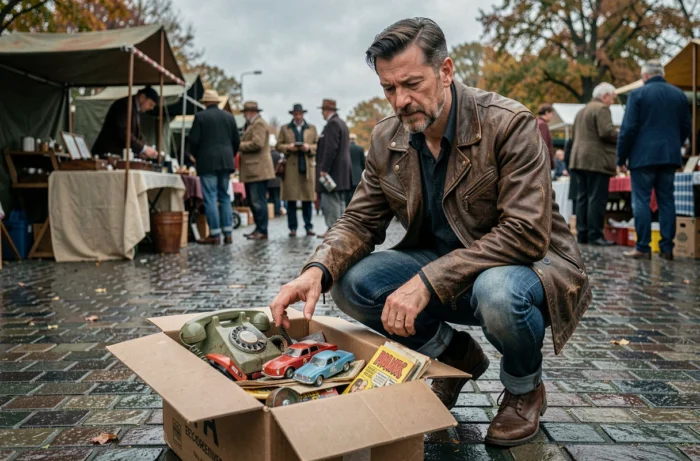
This market is not limited to online platforms. Physical channels (flea markets, thrift stores, consignment shops, garage sales) remain major discovery spots. It is often here that the most interesting vintage pieces are found, those that have never been listed online.
Quality and traceability issues
Refashion identifies the reliability of data on flows and actors, as well as the improvement of perceived quality and customer experience, among the challenges to be addressed in the sector. Buying a second-hand garment or object requires the ability to assess its actual condition, provenance, and residual durability.
The retro trend therefore also depends on an infrastructure for collection, sorting, and reconditioning. A wool sweater from the 1980s does not magically return to the market: it must be retrieved, cleaned, and sometimes repaired before being resold.
Cult objects: what comes back and why
Not all old objects become cult items. The status of a cult object requires three conditions to be met: a recognizable form at first glance, an association with a specific cultural moment, and a functionality that remains relevant or adaptable.
- Kitchen objects (Italian coffee makers, mechanical scales, enamelware) are making a comeback because they combine identifiable design with superior durability compared to their current plastic counterparts.
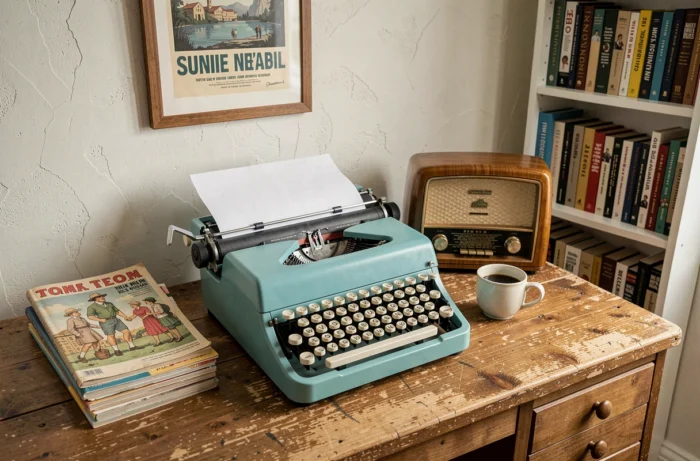
- Solid wood furniture and brass or smoked glass lighting fixtures appeal for their ability to integrate into contemporary interiors while providing a texture and patina that cannot be reproduced industrially.
- Analog audio formats (vinyl, cassettes) persist not despite their technical obsolescence, but thanks to a sensory experience that streaming cannot replace: the action, the crackle, the large-format cover.
The common thread among these categories lies in their materiality. Retro culture values what can be touched, worn, and visibly aged. In an increasingly digital environment, this tangibility is the main attraction.
Nostalgia and retro fashion: beyond decoration
Retro culture extends far beyond the realm of interior decor. In fashion, major houses regularly draw from their archives to reissue cuts and prints from past decades. This practice, sometimes referred to as nostalgia dressing, allows brands to capitalize on already proven designs while responding to a demand for uniqueness.
The phenomenon also affects popular culture in a broad sense. Television series set in the 1970s, 1980s, or 1990s generate renewed interest in the objects and visual codes of those eras. Each audience success triggers a micro-wave of searches for the clothing, furniture, or gadgets visible on screen.
A relationship with time that shapes consumption choices
Behind the appeal of retro lies a question of relationship to time. Choosing an old or old-inspired object means opting for something that has already traversed one or more decades and carries within it proof of durability. This reasoning aligns with ecological concerns without necessarily being limited to them.
The reuse of old objects mechanically reduces waste production, but the primary motivation for buyers often remains aesthetic or emotional. Both logics coexist and reinforce each other, which explains the strength of this trend over the long term.
Retro culture is part of a measurable market dynamic and an aesthetic movement that touches on decor, fashion, and leisure. Its longevity lies in its simultaneous response to a need for meaning, materiality, and differentiation. As long as current production is perceived as disposable or uniform, objects from the past will retain their power of attraction.